Food & Restaurants
When traveling through Russia and Eastern Europe, culinary experiences offer far more than sustenance—they provide a window into centuries of cultural tradition, regional identity, and social customs. From the hearty comfort of borscht steaming in a Soviet-era cafeteria to the refined elegance of a Michelin-caliber dining room in Moscow, food becomes the narrative thread connecting travelers to the soul of these destinations.
For travelers based in France, where gastronomy holds sacred cultural status, exploring Russian and Eastern European food traditions presents a fascinating parallel universe of culinary philosophy. This comprehensive resource introduces the essential dishes, dining contexts, practical etiquette, and immersive experiences that transform meals abroad from simple necessity into memorable cultural encounters. Whether you’re planning your first trip to St. Petersburg or seeking to deepen your understanding of Caucasian cuisine, these insights will help you navigate dining experiences with confidence and curiosity.
Understanding Russian Culinary Traditions
Russian cuisine reflects a geography of extremes—long winters, vast agricultural plains, and diverse cultural influences stretching from Scandinavia to Central Asia. This foundation has produced a food culture that prioritizes preservation techniques, hearty ingredients, and dishes designed to sustain both body and spirit through harsh conditions.
The Philosophy of Comfort and Sustenance
Unlike the French approach to cuisine, which often emphasizes technique and presentation, Russian cooking traditionally centers on nourishment and practicality. Dishes like pelmeni (meat dumplings) and blini (thin pancakes) emerged as versatile staples that could be prepared in bulk, frozen, and served quickly—essential qualities for peasant and aristocratic households alike. This comfort food philosophy doesn’t mean simplicity, however; the layering of flavors in a properly made borscht or the delicate balance of fillings in vareniki demonstrates considerable culinary sophistication.
Regional Variations Across the Former Soviet Space
Russian cuisine isn’t monolithic. A bowl of soup in Yaroslavl differs from one in Vladivostok, while the Golden Ring towns each maintain distinct dining traditions shaped by local ingredients and historical trade routes. Georgian cuisine, exemplified by khachapuri (often called “the pizza of the East”), introduces completely different flavor profiles with its emphasis on cheese, herbs, and distinctive spice combinations. Understanding these regional distinctions helps travelers appreciate why a restaurant specializing in Siberian cuisine offers fundamentally different experiences than one focused on Caucasian traditions.
The Role of Fermentation and Preservation
Before modern refrigeration, Russian cooks mastered fermentation—transforming cabbage into sauerkraut, creating kvas from bread, and developing medovukha (honey mead). These traditional fermented drinks and preserved foods remain central to authentic dining experiences. When you encounter these items on menus or in markets, you’re tasting techniques refined over centuries to extend harvests through brutal winters while adding complex flavors that fresh ingredients alone cannot provide.
Essential Russian Dishes Every Traveler Should Try
Certain dishes serve as cultural touchstones, appearing across regions with local variations that reward careful tasting and comparison.
Borscht and the Soup Tradition
This beetroot soup represents Russian cuisine in global consciousness, yet most travelers encounter only simplified versions. Authentic borscht requires up to 15 ingredients and several hours of careful preparation, building layers of flavor through the addition of beef stock, cabbage, tomatoes, and a precise balance of vinegar and sugar. The vibrant crimson color should be natural, derived from properly cooked beets rather than artificial enhancement. Served with a dollop of smetana (sour cream) and dark rye bread, a well-made borscht demonstrates why soups occupy a sacred place in Russian dining—they’re complete meals that warm, nourish, and satisfy in ways lighter cuisines rarely achieve.
Blini, Khachapuri, and Grain-Based Staples
Blini—thin, crepe-like pancakes—function as edible vessels for countless toppings, from caviar and smoked fish to sweet preserves and condensed milk. During Maslenitsa (the butter festival), Russians consume them in staggering quantities, celebrating the approaching end of winter. Meanwhile, Georgian khachapuri presents a completely different interpretation of grain and cheese: boat-shaped bread filled with molten sulguni cheese and topped with a raw egg that cooks in the residual heat. Different regions produce distinct khachapuri types—Adjarian, Imeretian, Megrelian—each with specific cheese blends and preparation methods that locals debate with the passion French citizens reserve for discussing proper baguette technique.
The Dumpling Family: Vareniki, Pelmeni, and Variations
Distinguishing between dumpling types becomes essential for ordering confidently. Pelmeni are small, meat-filled dumplings typically served in broth or with butter, originating from Siberia. Vareniki are larger, usually filled with potatoes, cheese, or cherries, and come from Ukrainian traditions. Both can be purchased frozen from any grocery store, making them as ubiquitous in Russian home cooking as pasta in Italian households. When dining out, seek handmade versions rather than mass-produced alternatives—the texture difference is immediately apparent, and watching babushkas hand-pinch hundreds of dumplings in market stalls or restaurant kitchens reveals the labor that exceptional versions require.
Navigating Different Dining Venues
Understanding venue types helps travelers match their expectations to the experience offered and avoid the disappointment of seeking fine dining in a cafeteria or casual atmosphere in a formal restaurant.
The Stolovaya Experience
These Soviet-era cafeterias, called stolovaya, offer the most authentic glimpse into everyday Russian eating habits. You’ll collect a tray, point at dishes displayed behind glass counters, and carry your selections to a cashier who tallies the cost. The food is simple, inexpensive, and genuinely representative of what ordinary Russians eat daily. Don’t expect English menus or explanatory signage—part of the experience involves learning to identify dishes visually and navigating potential language barriers. For travelers from France, where even casual dining maintains certain formalities, the stolovaya’s utilitarian approach can feel jarring initially but provides invaluable cultural immersion.
Cafes, Teahouses, and Casual Dining
Russian cafes occupy a middle ground between stolovaya functionality and restaurant formality. Many specialize in specific offerings—blini cafes, Georgian restaurants, or trendy food courts that gather multiple vendors under one roof. These venues welcome lingering; it’s perfectly acceptable to spend hours over tea and pastries without pressure to vacate your table. When choosing a cafe, look for establishments busy with local clientele rather than tourist-oriented venues near major attractions, where quality often suffers and prices inflate considerably.
Fine Dining and Historic Restaurants
Moscow and St. Petersburg host world-class restaurants, including establishments ranking among global dining destinations. These venues require advance booking, dress codes, and budgets that rival Parisian fine dining. Historic restaurants like Aragvi or literary cafes where Soviet intellectuals once gathered offer experiences blending gastronomy with cultural heritage—you’re not just eating but occupying spaces charged with historical significance. Understanding the backstory enhances appreciation; learning that your dining room once hosted specific writers, politicians, or cultural movements transforms a meal into a form of time travel.
Practical Dining Etiquette and Tips
Navigating practical aspects of dining prevents awkward moments and demonstrates cultural respect.
Ordering Protocols and Menu Navigation
Russian menus typically organize dishes by category: cold appetizers (zakuski), soups, hot dishes, and sides ordered separately. Unlike French service where sides accompany main courses automatically, you must explicitly request accompaniments. Portions tend toward generous—one appetizer and one main dish often suffice for most appetites. Don’t hesitate to ask servers for recommendations; while language barriers exist, enthusiasm for their cuisine transcends linguistic limitations, and many establishments in major cities now employ English-speaking staff catering to international visitors.
Tipping Customs and Service Expectations
Tipping culture differs markedly from French norms. In Russia, 10% represents standard appreciation for good service, though expectations vary by venue type. Stolovaya don’t expect tips, while fine dining establishments may include service charges automatically. Service styles often feel less attentive than French standards—servers won’t check on tables constantly, and requesting the bill may require patience. This reflects different hospitality philosophies rather than poor service; Russian dining assumes guests want privacy to enjoy meals and conversations without interruption.
Booking Strategies for Popular Venues
Top restaurants require reservations days or weeks in advance, particularly for weekend dinner service. When booking, specify any table preferences—window seats overlooking city landmarks, specific dining halls in multi-room establishments, or proximity to live music if offered. Some historic venues feature multiple rooms with distinct atmospheres; researching beforehand ensures you secure the experience you’re seeking. Lunch reservations often prove easier to obtain and may offer identical menus at reduced prices, making them ideal for budget-conscious travelers wanting to experience prestigious venues.
Beverages and Pairing Culture
Russian drinking traditions extend far beyond vodka stereotypes, encompassing sophisticated pairing cultures and diverse beverage options.
Vodka Traditions and Proper Consumption
Vodka occupies ceremonial status in Russian culture, consumed according to specific rituals. It’s served ice-cold in small glasses, consumed in single sips followed immediately by zakuski (pickles, cured fish, or bread). This pairing isn’t optional—the food moderates alcohol absorption and cleanses the palate between rounds. Quality vodka should taste clean and smooth, without harshness; if you’re grimacing, you’re drinking inferior product. When dining with Russians, refusing vodka toasts can offend, though explaining you prefer to appreciate Russian cuisine with a clear palate generally earns understanding. Pairing vodka with pelmeni or blini creates classic combinations that highlight both elements.
Traditional Fermented Drinks and Mead
Beyond vodka, explore kvas (a mildly alcoholic fermented bread drink), medovukha (honey mead), and sbiten (a hot honey drink with spices). These traditional beverages offer refreshing alternatives and pair beautifully with Russian comfort foods. Kvas, in particular, appears everywhere during summer months, sold from tank trucks on street corners—a quintessentially Russian experience that connects modern drinking habits to ancient traditions. Mead comes in varying strengths and sweetness levels; requesting a tasting before committing to a full serving helps identify versions matching your preferences.
Tea Culture and Outdoor Drinking
Russians consume tea with reverence rivaling British traditions. Black tea served strong with jam (not in the tea, but eaten alongside) represents the standard approach. Samovars, traditional tea-making vessels, appear in many establishments, particularly those emphasizing historical authenticity. In pleasant weather, outdoor tea gardens and cafes offer leisurely experiences where you can spend entire afternoons over tea and conversation. Unlike French cafe culture centered on coffee, Russian outdoor drinking often features tea accompanied by pastries, creating a distinct social ritual worth experiencing beyond standard tourist activities.
Where to Find Authentic Food Experiences
The most memorable meals often occur outside traditional restaurant settings, requiring willingness to explore markets, street vendors, and unconventional venues.
Markets and Fresh Produce
Russian markets overflow with fresh produce, cured meats, homemade preserves, and prepared foods. Vendors offer generous samples, and purchasing ingredients here for picnics or apartment cooking provides both economic savings and cultural engagement. Look for fresh caviar at market stalls, where prices undercut restaurant markups significantly while quality often exceeds what restaurants serve. Observing how Russians shop—carefully selecting each tomato, engaging vendors in quality discussions, purchasing seasonally—reveals priorities and values that restaurant dining alone cannot convey.
Street Food and Eating on the Go
Street food culture has exploded recently, moving beyond traditional offerings like piroshki (stuffed buns) to include international options. Food courts in modern shopping centers gather diverse vendors, allowing you to sample Vietnamese pho alongside Georgian khinkali and Russian blini in one location. Late-night and overnight eating options cater to Russia’s vibrant nightlife, with many establishments serving full menus until dawn. This accessibility means you’re never far from satisfying meals regardless of your schedule or sudden hunger.
Speakeasies and Hidden Dining Venues
Major Russian cities conceal numerous speakeasy-style bars and restaurants behind unmarked doors, requiring passwords or insider knowledge to access. These venues emphasize craft cocktails, innovative cuisine, and atmospheric design that rewards adventurous diners willing to research and seek them out. Finding speakeasies often involves following cryptic social media clues or asking knowledgeable locals—the challenge becomes part of the appeal, transforming dining into an adventure rather than routine consumption.
Immersive Culinary Learning Experiences
Moving beyond passive consumption, hands-on learning opportunities deepen understanding and create lasting memories.
Cooking classes focused on making borscht from scratch or hand-forming perfect pelmeni teach techniques while providing cultural context. Instructors explain why specific ingredients matter, share family variations, and reveal shortcuts versus traditional methods. These classes often include market tours for sourcing ingredients, demonstrating how to identify quality produce and negotiate purchases like a local.
Understanding regional variations benefits from comparative experiences—tasting borscht in multiple restaurants, comparing different khachapuri types, or sampling vareniki with various fillings. This deliberate exploration transforms eating from necessity into education, training your palate to distinguish quality levels and regional characteristics. Keep notes on standout dishes, recording
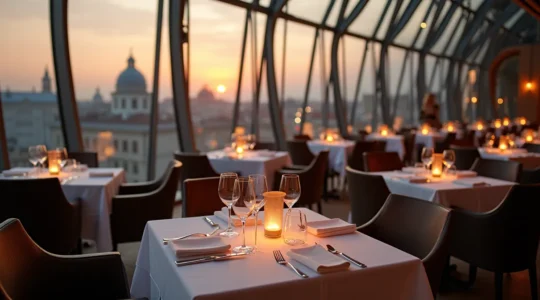
Is the White Rabbit tasting menu worth the hype and the price?
For the discerning diner, White Rabbit’s value lies not in its panoramic view, but in its audacious and authentic exploration of Russian culinary heritage—a proposition that justifies the price only if you seek a unique cultural taste, not just another…
Read more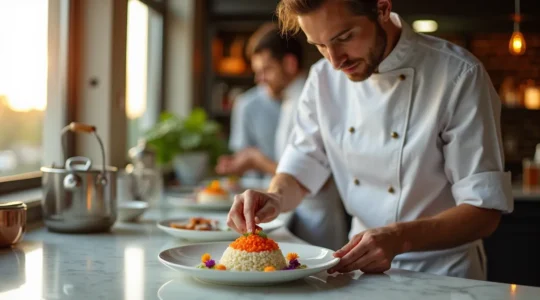
How are Moscow chefs transforming buckwheat into a luxury dish?
Moscow’s culinary scene is no longer about imitating the West; it’s a product-driven revolution offering gastronomic experiences that rival Europe’s best, often at a fraction of the price. Hyperlocal ingredients like Murmansk sea urchins and Siberian fish are the new…
Read more
Danilovsky Market: How to eat like a hipster Muscovite for €15?
Danilovsky Market is more than a food court; it’s a live snapshot of Moscow’s new culinary identity, and navigating it is an art. Discover why global dishes like Vietnamese Pho and Georgian khachapuri have become local obsessions that act as…
Read more
Is Café Pushkin’s €100 Dinner a Culinary Masterpiece or a Gilded Tourist Trap?
Café Pushkin’s value is not in its historical authenticity, which is a complete fabrication, but in its flawless execution as a piece of culinary theatre. The opulent 19th-century decor is a modern creation, meticulously designed to fulfill a myth born…
Read more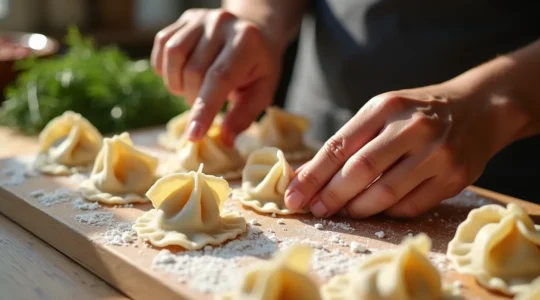
Siberian dumplings tasting: 3 spots locals prefer over tourist traps
Forget generic Slavic restaurants; finding authentic pelmeni in Paris means learning to spot French quality cues in a Siberian classic. True quality lies in the details: look for traceable meat like ‘Kintoa Basque pork’ or ‘Red Label’ certification on menus….
Read more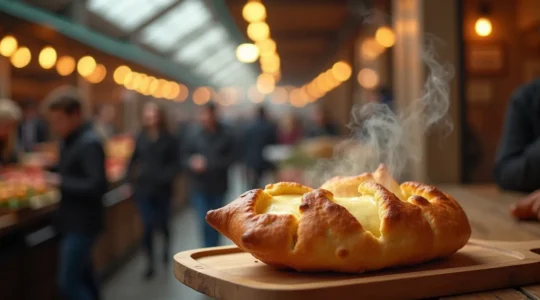
The Conquest of Moscow: How a Georgian Cheese Boat Captured the Heart of Russia
Khachapuri’s dominance in Moscow isn’t just about taste; it’s a reflection of a culinary grammar that mirrors France’s own reverence for terroir and comfort. The dish’s success relies on high-quality regional ingredients and a clear “appellation” system (Adjarian vs. Imeretian),…
Read more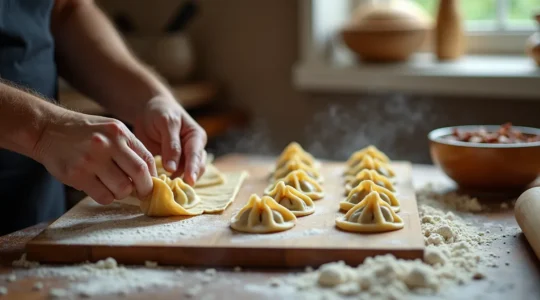
Where to book a pelmeni cooking class in English for under €50?
In summary: Finding a specific, affordable pelmeni class in France is difficult, but creating your own “home workshop” is more rewarding. Mastering the folding technique is the most crucial skill, more important than any special tool. Authentic ingredients like Smetana…
Read more