Ideas for Enjoying the City
Moscow presents a fascinating blend of imperial grandeur, Soviet legacy, and modern vibrancy that can overwhelm first-time visitors. Beyond the iconic Red Square and the Kremlin, the Russian capital offers layers of experiences that require insider knowledge to fully appreciate. From navigating centuries-old traditions to decoding the unwritten rules of social interaction, understanding how to engage with this metropolis transforms a standard trip into an immersive cultural journey.
Whether you’re drawn to architectural photography, seeking authentic local encounters, or hoping to experience winter traditions that have defined Russian culture for generations, Moscow rewards those who venture beyond the tourist trail. This comprehensive resource connects the essential elements of urban exploration—from timing your museum visits to understanding banya etiquette, from identifying genuine Soviet-era collectibles to finding the best vantage points for photographing onion domes. For French travelers accustomed to European cities where cultural codes feel familiar, Moscow requires a different approach, one that embraces both preparation and spontaneity.
Discovering Cultural Heritage and Historic Landmarks
Moscow’s architectural landscape tells a story spanning nearly nine centuries, and knowing how to structure your exploration makes the difference between superficial sightseeing and meaningful discovery. The key challenge lies in balancing major UNESCO-listed sites with hidden gems that reveal the city’s layered history.
Strategizing Your Historic Itinerary
Rather than attempting to see everything in a single day, consider organizing your visits thematically. Dedicate one day to religious architecture—where photographing the exteriors and listening to the acoustics inside cathedrals becomes an experience in itself—and another to Soviet-era monuments and spaces. This approach prevents cultural fatigue and allows each period’s aesthetic to resonate fully. The Oprichnina legacy, for instance, deserves contextual understanding that gets lost when rushed between unrelated attractions.
Avoiding Crowds at Major Sites
Timing transforms the visitor experience dramatically. Arriving at UNESCO World Heritage sites during weekday mornings, particularly on Tuesdays and Wednesdays, means encountering significantly fewer tour groups. Many French visitors, accustomed to booking timed entries at popular Parisian museums, will find Moscow’s system less structured but equally manageable with advance planning. Winter palace visits offer the added advantage of snow-dusted courtyards and the opportunity to enjoy seasonal activities in historic settings—a uniquely Russian combination of preservation and public use.
Building Authentic Connections With Locals
The cultural gap between Western European social norms and Russian interpersonal dynamics often surprises visitors. Muscovites can appear reserved in public spaces yet become remarkably warm and generous once initial barriers dissolve. Understanding how to bridge this gap enriches your experience exponentially.
Language and Social Etiquette
While major hotels and tourist areas accommodate English speakers, pronouncing even a handful of polite phrases in Russian—particularly greetings and thanks—signals respect that Muscovites genuinely appreciate. Learning to toast properly at dinner gatherings, where the ritual holds cultural significance beyond simple “cheers,” demonstrates cultural awareness. The tradition of sitting in the kitchen for deep conversations, rather than formal dining rooms, reflects an intimacy that dates to Soviet-era communal living and remains a mark of genuine hospitality.
Connecting Through Shared Interests
Participating in social hobbies offers natural entry points to local communities. Finding English-speaking communities—whether through cultural centers, sports clubs, or special-interest groups—provides frameworks for interaction without language barriers. Technology platforms increasingly facilitate these connections, allowing you to identify events, meetups, and activities where breaking the ice in a big city feels less daunting. Many expat resources originally designed for international residents prove equally valuable for extended-stay travelers.
Immersing Yourself in Traditional Experiences
Certain Russian traditions have no Western European equivalent, and experiencing them requires both cultural openness and practical preparation. These activities provide insight into daily life that museums and monuments cannot convey.
The Banya Ritual
Experiencing the banya tradition goes far beyond a simple spa visit. This centuries-old practice involves cycles of intense heat, cold plunges, and birch branch massage (venik) that follow specific protocols. For French visitors familiar with hammams or Nordic saunas, the banya represents a more intense, communal experience with its own etiquette. Knowing where to store belongings safely, understanding gender-separated timing, and recognizing that locals use banyas for both cleansing and socializing helps you approach this tradition respectfully.
Soviet-Era Cultural Touchstones
Exploring traditional crafts and Soviet-era remnants provides tangible connections to recent history. Visiting Bunker 42, the Cold War-era facility now open to tourists, offers context that makes buying Soviet vintage—from propaganda posters to military watches—more meaningful than mere souvenir shopping. Understanding how to differentiate eras when examining Soviet fashion and identify authentic pieces versus reproductions requires knowledge that sellers don’t always volunteer. The stray dogs you’ll spot throughout the city, descendants of the famous Moscow Metro dogs, represent another living link to Soviet-era urban ecology.
Navigating the Art of Shopping and Souvenirs
Moscow’s shopping landscape ranges from luxury boutiques rivaling Paris’s Golden Triangle to sprawling markets where negotiation skills determine prices. Mastering the art of souvenir shopping means understanding value, authenticity, and cultural significance.
Identifying Quality and Authenticity
The market for Soviet watches, vintage posters, and traditional crafts includes both genuine artifacts and clever reproductions. Learning to identify fake antiques protects your budget and ensures you acquire pieces with actual historic value. Authentic Soviet watches, for example, display specific manufacturer marks and movement characteristics that modern reproductions rarely replicate accurately. When buying art books or distinct souvenirs, knowing which specialized shops carry curated selections versus mass-produced items elevates your purchases from generic to meaningful.
Shopping Strategies and Etiquette
Thrifting in the center requires different tactics than shopping for luxury goods. Markets and vintage shops expect negotiating prices—a practice less common in Western Europe’s fixed-price retail culture. Starting at roughly 60-70% of the asking price for vintage items is standard, with the understanding that friendly, respectful haggling is part of the transaction’s social fabric. For traditional crafts and artisan-made souvenirs, prices are often less flexible but still worth gentle inquiry, especially for multiple purchases.
Capturing the City Through Photography
Moscow’s architectural drama—from colorful onion domes to Stalinist skyscrapers—creates extraordinary photographic opportunities, but technical and logistical knowledge maximizes results.
Finding the best vantage points requires local knowledge and sometimes physical effort. Photographing domes against the sky benefits from understanding optimal times of day when light enhances the golden, blue, and green cupolas that define Orthodox architecture. The exteriors of major buildings look dramatically different in summer’s long twilight versus winter’s crisp, low-angle sunshine. Locating the Zero Kilometer marker—Moscow’s geographic center from which all Russian distances are measured—provides both a symbolic photograph and an orientation point for understanding the city’s layout.
Finding hidden courtyards reveals Moscow’s semi-private spaces where residential architecture unfolds away from street facades. These courtyards, often accessible through archways, display everything from avant-garde murals to perfectly preserved pre-revolutionary details. Unlike Paris’s private courtyards, many Moscow examples remain semi-public, though respectful behavior and avoiding restricted residential areas is essential.
Embracing Seasonal Activities and Winter Magic
Moscow’s winter identity shapes the city’s character in ways that summer visits cannot capture. Rather than viewing cold weather as an obstacle, locals embrace seasonal activities that define Russian urban life.
Embracing the snow means participating rather than merely enduring. Ice skating at historic rinks—some located in parks, others in palace courtyards—offers activities that blend recreation with architectural appreciation. Tubing for families has become increasingly popular at designated hills in parks and recreation areas. Visiting the Ice Sculpture festival showcases artistry specific to sub-zero temperatures, where massive frozen creations stand for months rather than the brief displays possible in milder climates.
Dressing for the weather requires investment in proper layering that many Western Europeans underestimate. Muscovites gauge winter severity not in single-digit temperatures but in double-digit negatives, and inadequate clothing limits your ability to enjoy outdoor activities at palaces, parks, and architectural sites. French visitors accustomed to relatively mild Parisian winters should prepare for a different thermal reality where -15°C to -20°C represents typical January conditions.
Experiencing Nightlife and Entertainment
Moscow’s after-dark scene extends far beyond the tourist-oriented venues near Red Square. Unlocking hidden nightlife requires insider knowledge and sometimes unconventional booking methods.
Music and Performance Venues
Choosing between stages—from the Bolshoi’s grandeur to intimate jazz clubs—depends on understanding what each venue offers. Visiting the Beethoven Hall provides acoustic excellence in a more accessible setting than the major opera houses. Finding rock covers and enjoying free music in various venues reveals the city’s thriving alternative scene. Identifying legal spots for street musicians and understanding the culture around tipping musicians helps you support artists appropriately while enjoying impromptu performances.
Cocktail Culture and Late-Night Venues
Sipping cocktails with a view from rooftop bars offers perspectives on Moscow’s skyline that daylight visits miss. Many of the best venues require booking via WhatsApp rather than traditional reservation systems—a practice that feels unusual to European visitors but reflects how Moscow’s nightlife operates. Staying late reveals a city that doesn’t sleep, where 2 AM represents the middle rather than the end of the evening. Finding the smoking room, still a fixture in many establishments despite increasing restrictions, remains part of navigating Russian social spaces where regulations differ from Western European norms.
Timing Your Visits for Maximum Enjoyment
Beyond seasonal considerations, understanding daily and weekly rhythms helps you experience Moscow at its best. Finding the best days to visit major attractions means avoiding not just weekend crowds but also Russian school holiday periods and Orthodox religious observances when sites may close or modify hours.
Planning the walk around the pond—whether Patriarch’s Ponds or other neighborhood water features—works best during specific times when locals gather, creating people-watching opportunities alongside scenic strolls. Relaxing in the central park, lounging on the river embankments during summer, and timing the visit to sculpture parks for optimal light all demonstrate how small scheduling decisions accumulate into significantly better experiences.
Finding the best festivities and participating in games during holidays like Maslenitsa (the week before Orthodox Lent) or New Year celebrations requires advance research into where authentic celebrations occur versus staged tourist events. Finding fireworks spots for major holidays means knowing which vantage points offer views without overwhelming crowds—local knowledge that typical guidebooks rarely provide.
Moscow rewards prepared, culturally curious travelers who approach the city as students rather than mere consumers of attractions. By combining historic appreciation with authentic local experiences, understanding shopping nuances, mastering photographic opportunities, embracing seasonal characteristics, and navigating social customs, you transform a visit into genuine cultural immersion. Each element—from banya etiquette to cocktail bar booking methods—represents a thread in the city’s complex fabric, and pulling these threads together creates a rich, memorable experience that extends far beyond standard tourism.

Where to go cross-country skiing in Moscow with rented gear?
To truly experience a Moscow winter, you need to think like an athlete, not a tourist. Success lies in mastering the small details: from the right clothing layers to understanding modern, deposit-free rental systems. Authentic experiences, like finding a real…
Read more
The Key Isn’t a Password: How to Unlock Moscow’s Most Secret Bars
Accessing Moscow’s hidden bars isn’t about finding a password; it’s about demonstrating you understand the city’s unique culture of secrecy. Entry is earned by spotting subtle architectural cues and passing a silent “face control” test based on attitude, not wealth….
Read more
Moscow from Above: A Concierge’s Guide to the Ultimate Kremlin Sunset View
Securing the best rooftop experience in Moscow is less about the booking and more about mastering the city’s unspoken social codes. Exclusivity is a performance: Confidence and attire are your primary access cards to top-tier venues like the O2 Lounge….
Read more
Where to Hear Paris’s Future Virtuosos Play for Free?
The most breathtaking concert halls in Paris are often not buildings, but hidden public spaces where the city’s next generation of virtuosos perform for free. Legitimate street music is a curated art; official Métro musicians pass rigorous auditions, and top-tier…
Read more
A Curator’s Guide: Unearthing Soviet Couture in Moscow’s Hidden Boutiques
True Soviet couture is found not in sprawling markets, but through a curator’s-level hunt in Moscow’s discreet boutiques. Dating a piece requires forensic attention to detail, from the material of its buttons to the typography on its tags. Investment-grade watches…
Read more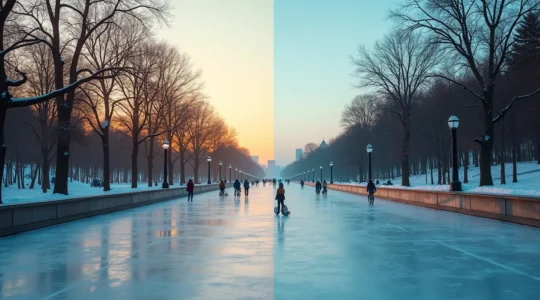
Gorky Park in winter vs. summer: Which season offers better activities?
Gorky Park isn’t a simple choice between ice and sun; it’s about mastering the seasonal rhythm to unlock the best experiences. Winter is for embracing the grand scale, centered around the legendary mega-rink and cozy indoor cultural hubs. Summer transforms…
Read more
Why do Muscovites rarely smile on the street but welcome you home?
Contrary to the stereotype of coldness, Muscovites operate on a strict public/private social code. The absence of a public smile isn’t hostility; it’s a sign that smiles are reserved for genuine, private connection. This guide decodes that system, providing the…
Read more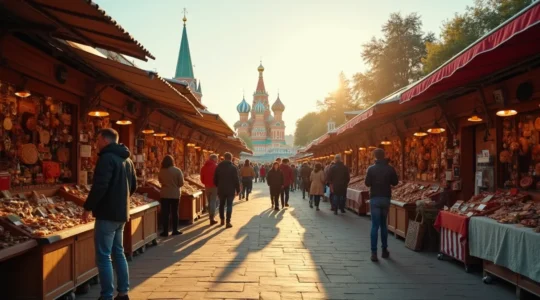
Bargaining at Izmailovo: The Euro Cash Strategy to Save 30% on Souvenirs
The secret to a 30% discount at Izmailovo isn’t your Russian vocabulary; it’s the crisp Euros in your wallet. Vendors often prefer stable, hard currency like Euros, giving you instant psychological leverage over local Ruble prices. Scouting the market on…
Read more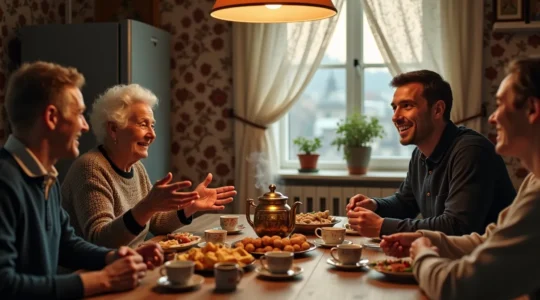
How to Truly Connect with Muscovites (Even if You Don’t Speak Russian)
Many travelers believe connecting with Muscovites is impossible without fluent Russian, citing a perceived public ‘coldness.’ The truth is, connection isn’t about language; it’s about understanding cultural codes. Genuine warmth in Moscow is reserved for the private sphere. The real…
Read more