Tourism in Russia
Russia remains one of Europe’s most captivating yet misunderstood travel destinations, particularly for French visitors. The sheer scale of the country, its complex administrative requirements, and the Cyrillic alphabet can make the prospect of visiting seem daunting. However, beneath these perceived barriers lies a wealth of cultural treasures, architectural marvels, and unforgettable experiences that reward those who take the time to prepare properly.
Understanding the practicalities of Russian tourism transforms what might seem overwhelming into a manageable and deeply rewarding adventure. From navigating visa applications to discovering Moscow’s UNESCO World Heritage sites, from managing currency exchange under current conditions to timing your visit around spectacular seasonal festivals, this comprehensive overview provides the foundational knowledge French travelers need. Whether you’re drawn to the golden domes of Orthodox churches, the literary heritage of Tolstoy and Dostoevsky, or the grandeur of imperial palaces, knowing what to expect before you arrive makes all the difference.
Understanding Russian Visa Requirements and Entry Procedures
For French citizens, visiting Russia requires advance planning around visa acquisition, a process that operates quite differently from the European Union’s border-free Schengen system. Unlike spontaneous weekend trips to neighboring countries, Russian tourism demands documentation preparation typically beginning several weeks before departure.
Choosing the Right Visa Type
Tourist visas remain the most common option, requiring a formal invitation from a registered Russian tour operator or hotel. This invitation, often called a visa support letter, serves as proof of your planned accommodation and itinerary. Think of it as a sponsorship document rather than a personal invitation—it’s a bureaucratic requirement, not a social gesture. Processing timelines vary, but allowing three to four weeks from application to passport return provides a comfortable buffer, particularly during peak travel seasons when consular services experience higher volumes.
The E-Visa Alternative
The electronic visa system offers a streamlined alternative for shorter stays in specific regions, including Saint Petersburg and its surrounding areas. This simplified process eliminates the invitation requirement and significantly reduces processing time to just a few days. However, the e-visa comes with strict limitations: it restricts both the duration of your stay and the regions you can visit. For travelers planning comprehensive exploration or extended cultural immersion, the traditional tourist visa remains necessary despite its more complex application process.
Immigration and Documentation
Upon arrival, immigration officers issue a small white migration card that becomes one of your most important documents throughout your stay. Keep it with your passport at all times—losing this slip creates significant complications when departing. French travelers should verify that their passport stamp matches their visa dates and that all entries are legible. Those holding dual nationality must enter and exit Russia using the same passport, a requirement that occasionally catches unprepared travelers by surprise.
The Registration System Explained
Russia operates a mandatory registration system that often puzzles Western European visitors accustomed to moving freely within the EU. This requirement stems from Soviet-era population tracking practices and remains firmly in place today. Understanding it prevents potential fines or departure complications.
The fundamental rule requires registration within seven business days of arrival in any new city. Note the emphasis on business days—weekends and public holidays don’t count toward this deadline. Most hotels automatically handle registration for their guests, providing a stamped notification as proof. This process typically happens invisibly during your stay, but you should request confirmation if nothing is provided by your third or fourth day.
For those staying in private apartments or moving between multiple cities, the responsibility shifts to you or your host. The Russian postal system processes registrations, though the procedure involves specific forms and queuing that can test patience. Many travelers working with apartment rental platforms arrange registration assistance for an additional fee, a worthwhile investment given the consequences of non-compliance. When planning multi-city itineraries, remember that each new destination triggers a fresh seven-day countdown.
Managing Your Money Under Current Conditions
Financial planning for Russian travel requires more attention than most European destinations due to ongoing sanctions affecting international banking systems. French credit cards typically face significant limitations, making cash the primary transaction method throughout your journey.
Currency Exchange and Cash Handling
Euros exchange readily in Russian banks and currency offices, with rates generally more favorable than at airports. When receiving rubles, carefully inspect bill quality—torn or heavily worn notes may be refused by shops and restaurants. This seemingly minor detail matters more in Russia than in France, where damaged euros circulate without issue. Calculate your daily budget and withdraw accordingly, keeping in mind that ATM access using Western cards has become severely restricted.
A practical approach involves budgeting for three categories: accommodation (often pre-paid), cultural activities and entrance fees, and daily expenses for meals and transportation. Moscow’s world-class museums and special exhibitions vary widely in cost, with some imperial palaces charging premium rates for foreign visitors while others remain surprisingly affordable. The Tretyakov Gallery, for instance, represents exceptional value compared to similar institutions in Paris, despite housing masterpieces of equivalent cultural significance.
Alternative Payment Methods
The sanctions environment has created an unusual payment landscape where UnionPay cards and cryptocurrency options function where Visa and Mastercard do not. Some hotels and larger establishments now accept Chinese payment systems, while a small but growing number of services facilitate cryptocurrency transactions. These alternatives remain niche solutions rather than mainstream options, but they’re worth investigating for travelers planning extended stays or higher-value purchases. The overwhelming majority of transactions, however, still require physical rubles—plan accordingly rather than expecting the card-centric convenience familiar from Parisian commerce.
Exploring Moscow’s Iconic Heritage
Moscow’s historical center concentrates an extraordinary density of architectural and cultural landmarks within a surprisingly compact area, though “compact” requires calibration when comparing to Paris. The Kremlin-Red Square complex alone offers days of exploration, while concentric rings of monasteries, estates, and museums extend outward through the city’s historic neighborhoods.
The Red Square Complex
Red Square functions as Russia’s ceremonial heart, comparable to the Champs-Élysées in its symbolic importance but medieval in its architectural character. The guard change ceremony at the Tomb of the Unknown Soldier occurs hourly, offering a precisely choreographed display of military precision. Saint Basil’s Cathedral’s multicolored domes, perhaps Russia’s most photographed landmark, require advance ticket booking during peak seasons—spontaneous entry rarely succeeds during summer months when tour groups saturate capacity.
The adjacent GUM department store represents imperial-era commercial architecture at its most opulent, worth visiting for its glass-roofed galleries even if luxury shopping doesn’t interest you. Many French visitors find the contrast between this tsarist-era consumerism and Soviet history exhibits just meters away particularly striking.
Beyond the Kremlin Walls
The Grand Kremlin Palace opens to tourists only through special access tours requiring weeks of advance booking and security clearance. Standard Kremlin tickets cover the cathedral square, armory chamber, and diamond fund, but accessing the palace’s ceremonial halls demands dedicated planning. The Novodevichy Convent, a UNESCO World Heritage site on Moscow’s southwestern edge, offers a more accessible glimpse into Russian Orthodox architecture and history, with its cemetery containing graves of artists, writers, and political figures spanning three centuries.
Ancient towns surrounding Moscow—the famous Golden Ring circuit—provide context for understanding how the capital emerged from medieval principalities. These day trips or overnight excursions showcase wooden architecture, monastery complexes, and provincial Russian life that contrasts sharply with Moscow’s metropolitan energy.
Planning Your Cultural Itinerary
Western European expectations regarding museum hours, dining times, and urban layout require adjustment in Moscow. The city’s scale exceeds Paris significantly—what appears close on a map often requires substantial metro travel. A literary walk following Bulgakov or Pushkin sites might span neighborhoods requiring multiple transport connections. Prioritize ruthlessly rather than attempting comprehensive coverage, particularly given that many major institutions close one day weekly for cleaning, with different sites choosing different closure days. Checking renovation schedules before finalizing plans prevents disappointing arrivals at scaffolding-wrapped landmarks.
Experiencing Russian Festivals and Seasonal Events
Russia’s cultural calendar blends Orthodox traditions, Soviet legacy celebrations, and seasonal festivals that transform cities’ atmospheres. Timing your visit around these events adds immeasurable richness, though several require specific logistical considerations.
Maslenitsa, the week-long celebration marking winter’s end, fills parks with pancake stalls, folk performances, and effigy burnings. This pre-Lenten festival showcases Russian culture at its most accessible and joyous, with participation encouraged regardless of religious background. The dates shift annually according to the Orthodox calendar, requiring advance checking when planning spring travel.
Victory Day on May 9th commemorates World War II’s conclusion with massive military parades and the deeply moving Immortal Regiment march, where millions carry portraits of family members who fought. The emotional intensity and historical significance make this Russia’s most important secular holiday, but Moscow’s crowds reach overwhelming levels—metro stations near Red Square close entirely, and securing viewing positions requires arriving hours early. For French visitors particularly, witnessing how profoundly the Great Patriotic War remains central to Russian identity provides crucial cultural context, though navigating the logistical challenges demands patience.
Seasonal considerations extend beyond festivals to practical matters. Museums and palaces undergo rotating renovation schedules, with major restoration work sometimes closing entire sections for months. Winter offers unique experiences like ice sculpture festivals, but subzero temperatures and limited daylight hours require appropriate preparation and adjusted expectations for sightseeing pace.
Practical Tips for a Smooth Journey
Beyond the major logistical requirements, several smaller practical considerations significantly impact daily comfort and efficiency during Russian travel. Learning to read Cyrillic, even at a basic level recognizing metro stations and street signs, transforms navigation from stressful to manageable. The Russian alphabet contains only 33 letters, many similar to Latin characters, making basic recognition achievable through a few hours of dedicated study before departure—a worthwhile investment that pays dividends throughout your journey.
Online booking systems for museums and theaters sometimes reject foreign credit cards, a frustrating discovery when attempting to secure Bolshoi tickets or Kremlin time slots. Having a Russian acquaintance or using booking agencies specializing in tourist services often proves necessary, adding modest fees but guaranteeing access to experiences that would otherwise remain unavailable.
Carrying photocopies of your passport, visa, and registration creates a safety buffer if originals are lost or stolen. Russian authorities may request identification unexpectedly, but carrying original passports throughout Moscow’s crowded metro creates theft risk. Keeping copies in separate locations from originals balances legal requirements with practical security. Similarly, photographing your migration card immediately upon receiving it provides backup if this critical document goes missing.
Russia rewards travelers who invest time understanding its unique requirements and cultural context. The initial complexity of visas, registration, and financial preparation gives way to extraordinary experiences unavailable elsewhere in Europe. From the gold-leaf restoration techniques preserving centuries-old icons to the grandeur of imperial palaces, from literary pilgrimage sites to the emotional power of Victory Day commemorations, Russian tourism offers depth and richness that justify the additional planning effort. Approaching the country with patience, cultural curiosity, and thorough preparation transforms potential obstacles into manageable steps on a journey of genuine discovery.
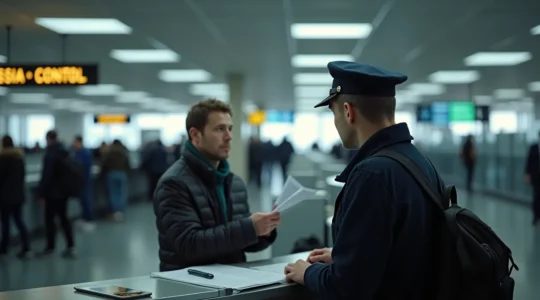
What happens at the border if you forgot to register your visa?
Forgetting your visa registration is not a minor oversight; it is a direct breach of Russian immigration law with consequences that go far beyond a simple fine at the border. Hotels handle this automatically and legally; private hosts (like Airbnb)…
Read more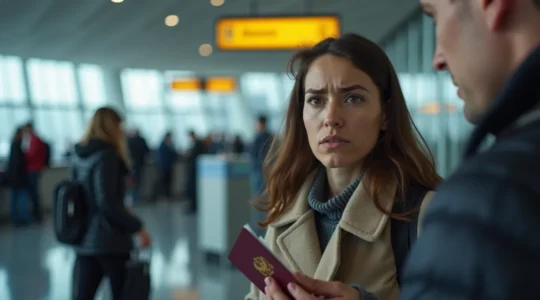
What to do if you lose your migration card before leaving Russia?
In summary: Losing your Russian migration card is a procedural issue, not a disaster. Do not panic. You cannot legally leave Russia without it. You must obtain a duplicate. Immediately report the loss at the nearest police station to get…
Read more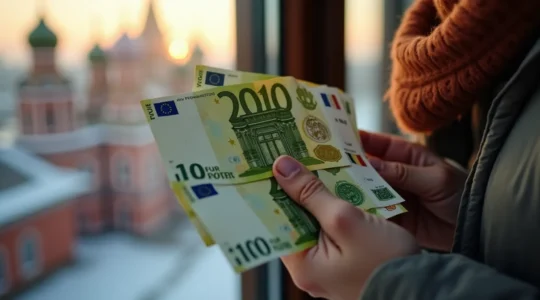
How to Bring Money to Russia When French Bank Cards Don’t Work?
With French-issued bank cards now non-functional in Russia, managing funds has become a critical logistical challenge requiring a robust, cash-centric strategy. Pristine Euro banknotes are non-negotiable for successful exchange, as even minor flaws lead to rejection. Digital P2P platforms offer…
Read more
What Questions Will the Russian Border Officer Ask You Upon Arrival?
Successfully navigating Russian immigration is less about fear and more about understanding the procedural logic behind the officer’s questions. Your documents (passport, visa, migration card) must tell a perfectly consistent story about the purpose and duration of your visit. Slow…
Read more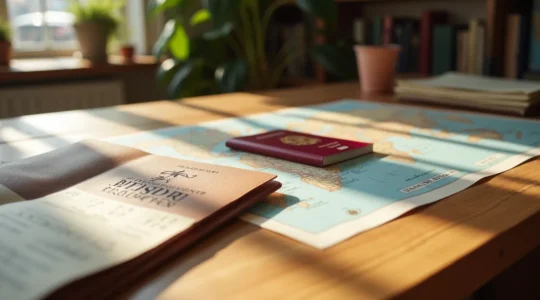
Which travel insurance is accepted by the Russian consulate in France?
In summary: Your passport must be valid for at least six months *after* your planned departure from Russia, not your entry date. Printed documents are non-negotiable; digital copies are insufficient for Russian border control. Certain French prescription medications require a…
Read more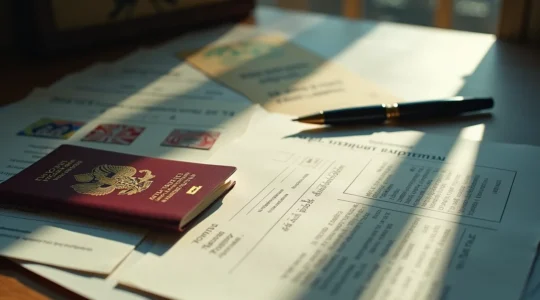
Russian Visa for French Citizens: The Truth About Hotel Confirmations & Invitations
The key to a successful Russian visa application from France is understanding that the required “visa support letter” is a distinct administrative document, entirely separate from any hotel booking confirmation. A visa support letter (or “tourist invitation”) is issued by…
Read more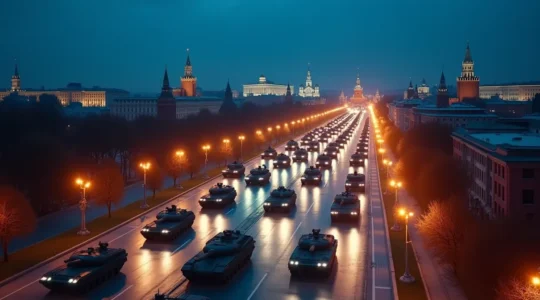
A Strategic Field Guide to Moscow’s Victory Day for the Military Enthusiast
Successfully experiencing Moscow’s Victory Day as a military enthusiast is a logistical operation, not a sightseeing tour. Key hardware viewing occurs during night rehearsals and the morning deployment, not at the inaccessible Red Square parade. Alternative sites like Victory Park…
Read more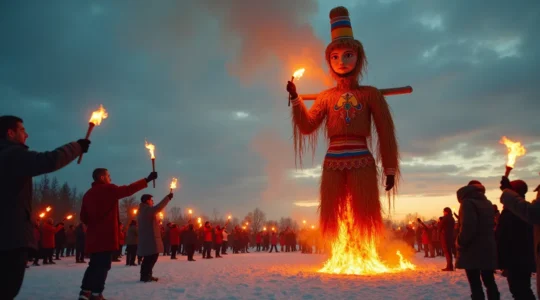
The Fire and the Feast: Unmasking the True Meaning of Maslenitsa’s Burning Doll
Contrary to the common belief that it’s just a farewell to winter, the burning of the Maslenitsa doll is a profound ritual of purification. This guide reveals how the effigy acts as a symbolic scapegoat, absorbing a community’s hardships before…
Read more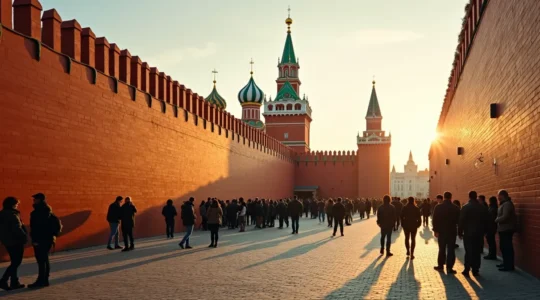
How to Enter the Kremlin Armoury Without a 2-Hour Queue: A Strategist’s Guide
The secret to conquering the Kremlin isn’t just buying a ticket online; it’s executing a precise operational choreography that treats the entire Red Square complex as a single, timed mission. The Kremlin’s ticketing is intentionally fragmented; there is no “one…
Read more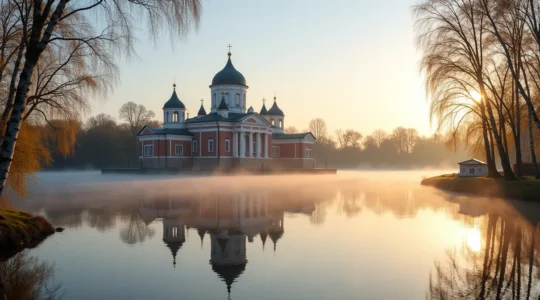
Novodevichy Convent: Why this UNESCO site is missed by 60% of tourists?
The common belief is that Moscow’s heart is the Kremlin; the reality is that its soul resides at the Novodevichy Convent. Unlike rebuilt monuments, the Convent offers a unique, virtually intact example of 17th-century “Moscow Baroque” architecture, which is the…
Read more